



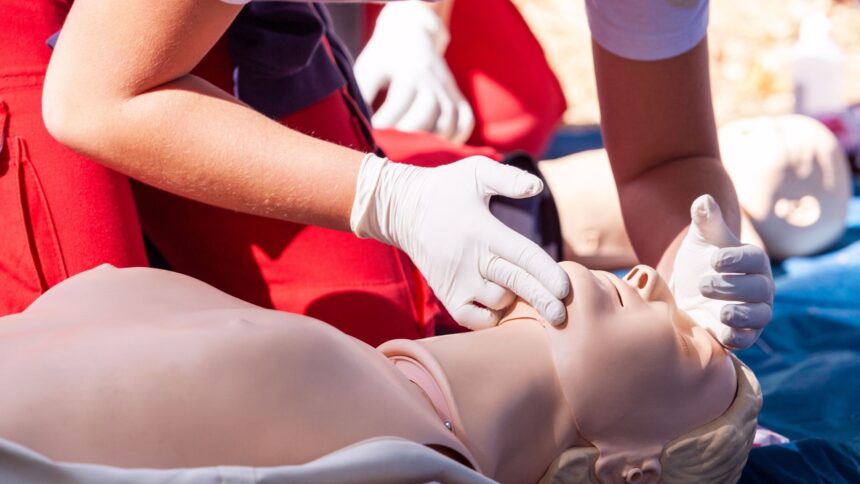
CPR is a lifesaving procedure that involves chest compressions and rescue breaths to help a person in cardiac arrest. Becoming certified in CPR equips you with the skills to perform this procedure in an emergency. You may apply this technique in different scenarios, such as at home, at work, or in public places. Here are a few categories of people who need CPR certification and why it matters:
Healthcare Professionals
As a nurse, emergency medical technician, or paramedic, CPR certification may be required for your profession. In some healthcare settings, you may work with patients who experience heart attacks. If you are a paramedic, you often serve as the first responder to heart attacks and other cardiac emergencies.
CPR certification prepares you to provide immediate care to patients before they are taken to the hospital. Through the training, you learn how to assess an emergency, perform chest compressions, and use an automated external defibrillator. The training equips you with the confidence and skills to respond effectively during medical emergencies.
Childcare Providers
When you work in childcare, you become a first responder for the infants in your care. You might encounter cases of choking and allergic reactions that require immediate attention. With CPR knowledge, you can identify signs of distress and intervene before the doctor arrives. Along with CPR, childcare providers should learn to handle minor injuries and illnesses, such as cuts, scrapes, and fevers. You not only become conversant with infant-specific first aid techniques and safety protocols, but also gain the confidence to act quickly in emergency situations.
Fitness Trainers
As a fitness trainer, CPR certification helps you respond quickly if a client experiences a medical emergency during a workout. Your CPR training helps you develop quick decision-making skills during emergencies. You learn to stay organized, follow procedures, and coordinate effectively with others to give your gym patrons the best care. In situations like a cardiac arrest, being able to quickly and effectively administer CPR can increase the chances of survival.
Lifeguards
Lifeguards receive training in CPR and first aid as part of their role to verify water safety. They learn how to assess a swimmer’s condition, maintain an open airway, and manage shock until emergency personnel arrive. This knowledge allows lifeguards to take immediate action and provide effective first aid after a rescue. Training also prepares them to handle emergencies calmly and make rational decisions under pressure. Understanding basic first aid procedures — such as treating wounds, burns, and fractures — enables lifeguards to respond appropriately in dangerous situations.
Get Your CPR Certification Today
CPR training is available through in-person or blended learning courses that combine online study with hands-on practice. You interact with certified instructors who guide you through real-life scenarios, helping you build confidence in every step of the CPR certification process. Programs like BLS, ACLS, PALS, and Heartsaver fit different needs and professions, so whether you’re in healthcare or simply want to be prepared, you should be able to find a suitable course. Find a class to enroll in today to obtain CPR certification and meet the training standards required for effective emergency response.