



Introduction
Your heart functions as a powerful pump, circulating blood throughout the body — and its valves play a vital role in maintaining this process. When one or more heart valves fail to open or close properly, valvular heart disease (VHD) occurs.
Valvular heart disease affects millions of people worldwide and can lead to serious complications if not diagnosed and treated early. This article explores the types, symptoms, causes, diagnosis, and modern treatment options for valvular heart disease, highlighting how medical advancements are improving patient outcomes.
Understanding Valvular Heart Disease
What Is Valvular Heart Disease?
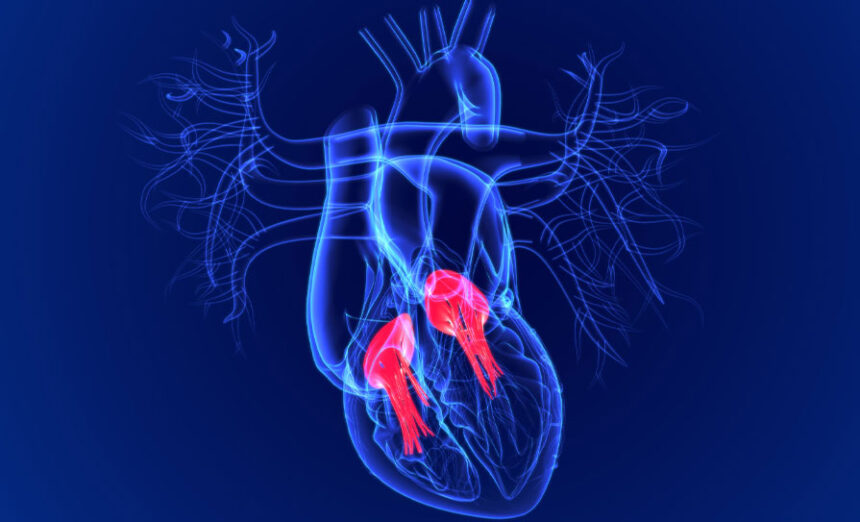
Valvular heart disease refers to any condition involving damage or a defect in one or more of the heart’s four valves — the mitral, aortic, tricuspid, and pulmonary valves. These valves ensure blood flows in the correct direction through the heart chambers.
When the valves malfunction, blood flow is either restricted (stenosis) or allowed to leak backward (regurgitation), forcing the heart to work harder to pump blood effectively.
The Four Heart Valves and Their Functions
| Valve | Location | Function |
|---|---|---|
| Mitral Valve | Between the left atrium and left ventricle | Allows blood to flow from the left atrium to the left ventricle |
| Aortic Valve | Between the left ventricle and aorta | Controls blood flow from the heart to the rest of the body |
| Tricuspid Valve | Between the right atrium and right ventricle | Regulates blood flow between right chambers |
| Pulmonary Valve | Between the right ventricle and pulmonary artery | Controls blood flow to the lungs for oxygenation |
Any of these valves can become narrowed, leaky, or fail to function properly, leading to valvular disease.
Types of Valvular Heart Disease
1. Valvular Stenosis
Stenosis occurs when the valve opening becomes narrowed, restricting blood flow. This causes the heart to pump harder, which may lead to thickening or weakening of the heart muscle.
- Aortic Stenosis: Narrowing of the aortic valve, common in elderly patients due to calcium buildup.
- Mitral Stenosis: Usually caused by rheumatic fever or congenital issues.
- Pulmonary and Tricuspid Stenosis: Often congenital and less common.
2. Valvular Regurgitation (Insufficiency)
Regurgitation occurs when the valve doesn’t close properly, allowing blood to leak backward. This increases the heart’s workload and may lead to heart enlargement.
- Mitral Regurgitation: One of the most common forms; caused by valve prolapse, infection, or heart attack.
- Aortic Regurgitation: Blood leaks back into the left ventricle, causing fatigue and breathlessness.
- Tricuspid and Pulmonary Regurgitation: Often secondary to other heart problems.
3. Valve Prolapse
This occurs when one or more valve flaps bulge (prolapse) backward into the chamber, preventing proper closure. Mitral valve prolapse (MVP) is the most frequent type, often benign but occasionally causing regurgitation.
Common Causes of Valvular Heart Disease
Valvular heart disease can be congenital (present at birth) or acquired later in life.
Congenital Causes
- Valve malformations or abnormal valve structure
- Bicuspid aortic valve (two leaflets instead of three)
- Genetic syndromes affecting connective tissue
Acquired Causes
- Rheumatic fever: A complication of untreated strep throat.
- Age-related degeneration: Calcium deposits that stiffen valves.
- Endocarditis: Infection damaging valve tissue.
- Heart attack or coronary disease: Affecting blood flow and valve function.
- Radiation therapy: Long-term side effect impacting valve tissue.
Symptoms of Valvular Heart Disease
The symptoms of VHD can vary based on which valve is affected and the severity of the condition. In mild cases, there may be no symptoms for years.
Early Symptoms
- Fatigue and weakness
- Shortness of breath during activity
- Dizziness or fainting spells
- Chest pain or tightness
Advanced Symptoms
- Swelling in legs, ankles, or abdomen (edema)
- Irregular heartbeat or palpitations
- Rapid weight gain due to fluid retention
- Difficulty breathing while lying down
If left untreated, valvular heart disease can lead to heart failure, arrhythmias, or sudden cardiac death.
Diagnosis of Valvular Heart Disease
Physical Examination
Doctors may detect abnormal heart sounds (murmurs) using a stethoscope, prompting further testing.
Diagnostic Tests
- Echocardiogram (Echo): The most effective test for assessing valve function and structure.
- Electrocardiogram (ECG): Measures heart rhythm abnormalities.
- Chest X-ray: Reveals heart enlargement or fluid buildup.
- Cardiac MRI: Provides detailed images of the heart and valves.
- Cardiac Catheterization: Measures pressure and blood flow within the heart chambers.
Early and accurate diagnosis is critical for determining the right treatment strategy.
Modern Treatments for Valvular Heart Disease
Treatment depends on the type, severity, and symptoms of the condition. Modern advances have led to safer, less invasive options that improve recovery and outcomes.
Medical Management
For mild to moderate cases, medications can help manage symptoms:
- Diuretics: Reduce fluid buildup.
- Beta-blockers: Control heart rate and blood pressure.
- ACE inhibitors: Ease the heart’s workload.
- Anticoagulants: Prevent blood clots, especially in patients with atrial fibrillation.
Surgical Treatments
1. Valve Repair
Whenever possible, surgeons aim to repair the patient’s native valve rather than replace it.
Common repair techniques include:
- Removing calcium deposits or scar tissue
- Reconnecting valve flaps
- Tightening or reinforcing the valve ring (annuloplasty)
2. Valve Replacement
If repair isn’t feasible, the valve is replaced using one of the following:
- Mechanical Valves: Made from durable materials; long-lasting but require lifelong anticoagulation therapy.
- Biological Valves: Made from animal tissue; fewer clotting issues but shorter lifespan.
3. Minimally Invasive and Robotic Surgery
Modern advancements have enabled robotic-assisted and minimally invasive valve surgeries, which involve small incisions, less pain, shorter hospital stays, and faster recovery times.
4. Transcatheter Aortic Valve Replacement (TAVR)
One of the biggest breakthroughs in recent years, TAVR allows doctors to replace the aortic valve without open-heart surgery. It’s especially beneficial for older patients or those at high surgical risk.
Lifestyle and Prevention Tips
While not all valvular diseases can be prevented, maintaining heart health helps reduce risk:
- Eat a heart-healthy diet rich in fruits, vegetables, and whole grains.
- Exercise regularly under doctor supervision.
- Avoid smoking and limit alcohol consumption.
- Manage blood pressure, cholesterol, and diabetes effectively.
- Get regular check-ups if you have a history of heart disease or rheumatic fever.
Future of Valvular Heart Disease Treatment
The future of VHD management looks promising, with ongoing innovations in:
- 3D printing for creating custom heart valves.
- Tissue engineering to grow bio-valves that adapt to the body.
- Artificial intelligence (AI) for early diagnosis and personalized treatment planning.
- Next-generation transcatheter technologies expanding to treat all four valves, not just the aortic valve.
These advancements are paving the way for safer, more effective, and patient-specific therapies.
Conclusion
Valvular heart disease is a complex but increasingly manageable condition thanks to modern medical advancements. Early diagnosis, routine monitoring, and access to minimally invasive or robotic surgical options have drastically improved survival and quality of life for patients.
By understanding the types, symptoms, and treatment options, individuals can take proactive steps toward heart health — ensuring that every beat counts.
FAQs
1. What causes valvular heart disease?
It can result from congenital defects, infections, age-related changes, or complications from other heart conditions.
2. Can valvular heart disease be cured without surgery?
Mild cases can often be managed with medication and lifestyle changes, but severe valve damage usually requires surgical repair or replacement.
3. What is the most common type of valvular heart disease?
Aortic stenosis and mitral regurgitation are the most frequently diagnosed types.
4. How is valvular heart disease diagnosed?
Doctors use echocardiograms, ECGs, and imaging tests to evaluate valve structure and heart function.
5. What is the recovery time after valve replacement surgery?
Most patients recover within 6–8 weeks after traditional surgery or 2–4 weeks after minimally invasive procedures like TAVR.