



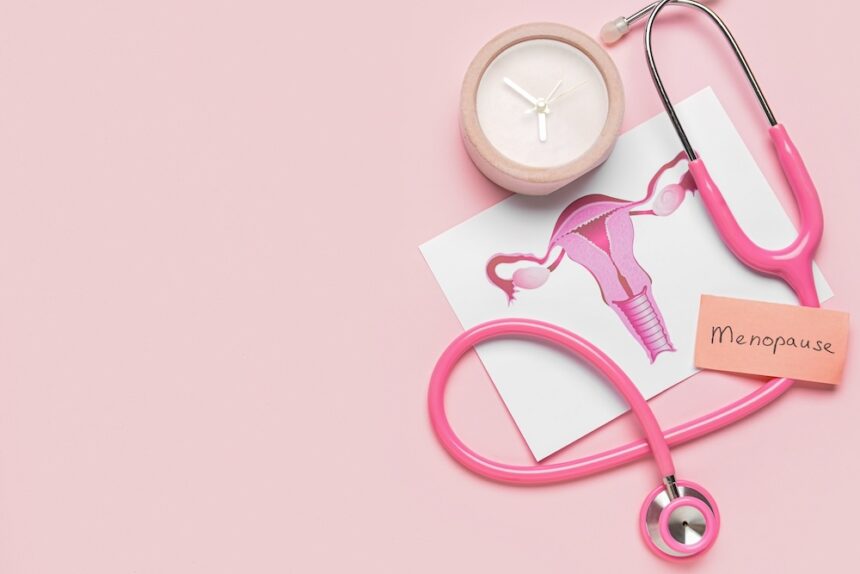
Menopause marks a major milestone in a woman’s life — a natural biological process signaling the end of menstrual cycles and fertility. While it’s a normal part of aging, menopause can bring physical and emotional changes that affect overall health and quality of life.
Understanding what happens during menopause, recognizing the symptoms, and learning effective management strategies can help women navigate this stage with confidence and balance.
What Is Menopause?
Menopause occurs when a woman has gone 12 consecutive months without a menstrual period, typically between the ages of 45 and 55. It happens because the ovaries gradually stop producing estrogen and progesterone, the hormones that regulate menstruation and fertility.
However, menopause isn’t a sudden event — it unfolds in three main stages.
Stages of Menopause
1. Perimenopause (Transitional Phase)
This stage begins several years before menopause when hormone production starts to fluctuate. Women may experience irregular periods, mood changes, and sleep problems. Perimenopause can last anywhere from 4 to 10 years.
2. Menopause
This phase officially begins when a woman hasn’t had a period for 12 months straight. During this time, estrogen levels drop sharply, causing noticeable symptoms like hot flashes, vaginal dryness, and mood swings.
3. Postmenopause
This is the stage after menopause has occurred. Symptoms may lessen over time, but lower estrogen levels continue to affect bone, heart, and skin health — making regular checkups essential.
Common Symptoms of Menopause
The intensity and duration of symptoms vary among women, but the most common include:
| Physical Symptoms | Emotional/Mental Symptoms |
|---|---|
| Hot flashes | Mood swings |
| Night sweats | Anxiety or irritability |
| Irregular or absent periods | Difficulty concentrating |
| Vaginal dryness | Sleep disturbances |
| Weight gain | Fatigue |
| Thinning hair or dry skin | Decreased libido |
These symptoms result from hormonal fluctuations, particularly the decline of estrogen and progesterone.
Health Risks Associated with Menopause
As hormone levels drop, women become more vulnerable to certain health conditions, including:
- Osteoporosis: Lower estrogen leads to bone loss and fractures.
- Heart Disease: Estrogen helps maintain cholesterol balance and vascular health.
- Weight Gain: Slower metabolism and hormonal shifts increase fat accumulation.
- Urinary Issues: Weakened pelvic muscles may cause incontinence or infections.
- Mental Health Changes: Hormonal imbalance can lead to depression or anxiety.
Understanding these risks allows women to take preventive measures early.
Medical Treatments for Menopause Symptoms
1. Hormone Replacement Therapy (HRT)
HRT is one of the most effective treatments for severe menopause symptoms. It involves supplementing estrogen (and sometimes progesterone) to relieve hot flashes, vaginal dryness, and mood changes.
However, HRT is not suitable for everyone — women with a history of breast cancer, blood clots, or heart disease should discuss alternatives with their doctor.
2. Non-Hormonal Medications
Certain antidepressants, blood pressure medications, or anticonvulsants can help reduce hot flashes and improve sleep.
3. Vaginal Estrogen
For localized symptoms like dryness or discomfort during intimacy, low-dose vaginal estrogen (in creams, tablets, or rings) can be highly effective.
4. Supplements and Natural Remedies
Some women find relief with phytoestrogens (plant-based estrogens) found in soy, flaxseeds, and red clover.
Supplements like vitamin D, calcium, and magnesium support bone and hormonal health.
Important: Always consult a healthcare professional before starting any new treatment or supplement.
Lifestyle Tips to Manage Menopause Naturally
Simple lifestyle adjustments can greatly ease the transition and support overall well-being.
1. Maintain a Balanced Diet
- Eat foods rich in calcium and vitamin D to protect bones.
- Include whole grains, fruits, vegetables, lean proteins, and healthy fats.
- Limit processed foods, sugar, caffeine, and alcohol, which can worsen hot flashes.
2. Stay Physically Active
Regular exercise helps control weight, strengthen bones, and improve mood.
Aim for a mix of:
- Cardio: Walking, swimming, or cycling
- Strength training: To maintain bone density
- Yoga or Pilates: For flexibility and stress reduction
3. Get Quality Sleep
Establish a bedtime routine, reduce screen time, and keep your bedroom cool to minimize night sweats and insomnia.
4. Manage Stress
Chronic stress elevates cortisol, which can worsen hormonal imbalance. Practice meditation, deep breathing, or mindfulness to stay calm and centered.
5. Quit Smoking
Smoking accelerates estrogen loss and increases the risk of heart disease and osteoporosis. Quitting can ease menopause symptoms and enhance overall health.
6. Stay Hydrated
Drink plenty of water throughout the day to relieve dryness and regulate body temperature.
Emotional Well-being During Menopause
Menopause doesn’t just affect the body — it can also impact mental health. Many women experience mood swings, irritability, or depression due to fluctuating hormones.
Maintaining strong emotional health is vital:
- Stay socially active and connected with friends.
- Consider therapy or counseling if mood issues persist.
- Engage in hobbies and self-care activities that bring joy and relaxation.
Embracing menopause as a natural life transition rather than a decline can help women maintain a positive mindset.
When to See a Doctor
Consult your healthcare provider if you experience:
- Very heavy or prolonged bleeding
- Severe hot flashes or insomnia
- Pain during intercourse
- Mood changes that affect daily life
- Signs of osteoporosis (back pain, height loss)
Early medical attention ensures better symptom control and long-term health management.
Conclusion
Menopause is not an illness — it’s a natural phase of aging that every woman experiences. By understanding the symptoms and effects, exploring treatment options, and adopting a healthy lifestyle, women can manage menopause confidently and gracefully.
Regular exercise, balanced nutrition, emotional support, and open communication with healthcare providers are key to thriving during this life stage. With the right care and mindset, menopause can mark the beginning of a vibrant, healthy, and fulfilling chapter.
FAQs
1. What age does menopause usually start?
Most women experience menopause between 45 and 55 years old, though it can occur earlier or later depending on genetics and health factors.
2. How long do menopause symptoms last?
Symptoms can last anywhere from 4 to 10 years, gradually decreasing in intensity over time.
3. Can menopause cause weight gain?
Yes, hormonal changes slow metabolism, making weight gain — especially around the abdomen — more common. Regular exercise and a healthy diet can help manage it.
4. Are there natural ways to relieve hot flashes?
Yes. Avoid caffeine, alcohol, and spicy foods, and practice deep breathing or yoga. Cooling your environment and dressing in layers can also help.
5. Should I take hormone replacement therapy (HRT)?
HRT can be very effective, but it’s not right for everyone. Discuss your medical history and risks with a healthcare provider before starting treatment.