



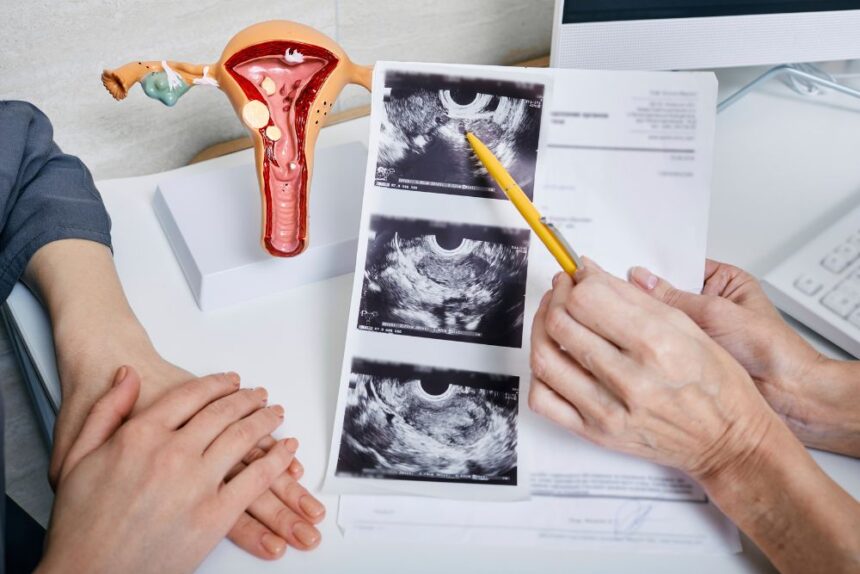
Women’s reproductive health is a crucial aspect of overall well-being. Unfortunately, many women ignore early symptoms of gynecological issues until they become severe. Understanding these conditions, their causes, and their treatments can help in early detection and prevention. This article explores the most common gynecological issues every woman should be aware of — from menstrual irregularities to reproductive infections.
1. Menstrual Irregularities
Understanding Menstrual Irregularities
Menstrual irregularities include changes in cycle length, missed periods, heavy bleeding, or painful menstruation. These problems can result from hormonal imbalances, stress, excessive exercise, thyroid disorders, or underlying reproductive health issues.
Common Types
- Amenorrhea: Absence of menstruation.
- Menorrhagia: Heavy menstrual bleeding.
- Dysmenorrhea: Painful periods with cramps and discomfort.
- Oligomenorrhea: Infrequent menstrual cycles.
When to See a Doctor
Consult a gynecologist if your periods are consistently painful, irregular, or absent. Early diagnosis can prevent complications like infertility or anemia.
2. Polycystic Ovary Syndrome (PCOS)
Overview
PCOS is one of the most common hormonal disorders among women of reproductive age. It causes enlarged ovaries with small cysts, irregular periods, and increased levels of male hormones (androgens).
Symptoms
- Irregular or absent periods
- Excess facial or body hair
- Acne and oily skin
- Weight gain and difficulty losing weight
- Thinning hair or hair loss
Management
Lifestyle changes such as maintaining a healthy weight, regular exercise, and balanced nutrition play a major role. Doctors may also prescribe birth control pills or medications like metformin to regulate hormones and menstrual cycles.
3. Endometriosis
What Is Endometriosis?
Endometriosis occurs when tissue similar to the lining of the uterus grows outside it — on ovaries, fallopian tubes, or pelvic lining. This condition causes inflammation, pain, and sometimes infertility.
Key Symptoms
- Severe menstrual cramps
- Pain during intercourse
- Heavy menstrual bleeding
- Digestive issues (bloating, constipation) during periods
Treatment Options
Treatment depends on severity and may include pain relief medication, hormonal therapy, or laparoscopic surgery to remove the abnormal tissue.
4. Uterine Fibroids
Understanding Fibroids
Fibroids are non-cancerous growths in or around the uterus. They are common in women aged 30–50 and can vary in size from tiny nodules to large masses.
Common Symptoms
- Heavy or prolonged periods
- Pelvic pain or pressure
- Frequent urination
- Back pain
- Difficulty conceiving
Treatment
Depending on the symptoms, treatments include medication, hormonal therapy, non-invasive procedures, or surgery (myomectomy or hysterectomy).
5. Pelvic Inflammatory Disease (PID)
Overview
PID is an infection of the female reproductive organs, often caused by sexually transmitted infections (STIs) like chlamydia or gonorrhea. If left untreated, it can lead to infertility or chronic pelvic pain.
Symptoms
- Lower abdominal pain
- Fever
- Unusual vaginal discharge with odor
- Painful urination or intercourse
Prevention
Using protection during intercourse, getting regular STI screenings, and maintaining good hygiene can help prevent PID.
6. Vaginal Infections
Common Types
Vaginal infections are frequent among women and can be caused by bacteria, yeast, or parasites. The most common include:
- Bacterial Vaginosis (BV)
- Yeast Infections (Candidiasis)
- Trichomoniasis
Symptoms
- Itching or burning sensation
- Abnormal discharge (white, yellow, or greenish)
- Unpleasant odor
- Discomfort during urination or intercourse
Treatment
Treatment usually involves antifungal or antibiotic medications. Maintaining proper hygiene and avoiding harsh soaps can reduce the risk of recurrence.
7. Cervical Dysplasia and Cervical Cancer
Understanding the Risk
Cervical dysplasia refers to abnormal changes in the cells on the surface of the cervix, often caused by the human papillomavirus (HPV). If not monitored, it can progress to cervical cancer.
Prevention and Screening
Regular Pap smears and HPV vaccinations are the most effective preventive measures. Women aged 21 and above should have regular cervical screenings as recommended by their gynecologist.
8. Ovarian Cysts
What Are Ovarian Cysts?
Ovarian cysts are fluid-filled sacs that develop on or inside an ovary. Most cysts are harmless and go away naturally, but some can cause complications.
Symptoms
- Pelvic pain or pressure
- Bloating
- Pain during intercourse
- Irregular periods
Treatment
Small cysts often resolve without treatment, but large or persistent cysts may require surgery.
9. Infertility
Causes
Infertility can result from multiple gynecological conditions such as PCOS, endometriosis, fibroids, or hormonal imbalances. Age, stress, and lifestyle factors also play a role.
Diagnosis and Treatment
Diagnosis involves hormone tests, ultrasounds, and ovulation tracking. Treatments may include fertility medications, intrauterine insemination (IUI), or in-vitro fertilization (IVF).
10. Menopause-Related Issues
What Happens During Menopause
Menopause marks the end of menstrual cycles, typically occurring between ages 45 and 55. The body experiences hormonal changes that can cause various physical and emotional symptoms.
Common Symptoms
- Hot flashes
- Mood swings
- Vaginal dryness
- Sleep disturbances
Management
Lifestyle modifications, hormone replacement therapy (HRT), and herbal supplements may help manage symptoms effectively.
Conclusion
Gynecological health is vital to a woman’s quality of life and overall wellness. Understanding common issues like menstrual irregularities, PCOS, endometriosis, and infections can help women take proactive steps toward prevention and timely treatment. Regular check-ups, healthy lifestyle habits, and open communication with a gynecologist are key to maintaining reproductive health and detecting problems early.