



Introduction
Mental well-being isn’t just about managing stress or avoiding mental illness—it’s deeply connected to what we eat and how active we are. Both nutrition and exercise play a vital role in supporting brain function, stabilizing mood, and improving overall emotional health. With rising cases of anxiety, depression, and burnout, understanding the connection between body and mind is more important than ever.
In this article, we’ll explore how proper nutrition and regular physical activity can significantly enhance mental health and emotional resilience.
How Nutrition Influences Mental Health
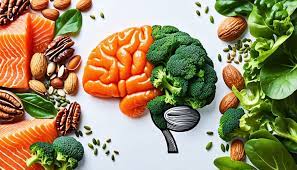
The food you eat directly affects your brain’s structure and function. A well-balanced diet provides the nutrients your brain needs to produce neurotransmitters—chemicals responsible for regulating mood, focus, and energy levels.
1. Key Nutrients That Support Mental Health
- Omega-3 Fatty Acids: Found in fish, flaxseeds, and walnuts, omega-3s improve brain function and reduce symptoms of depression.
- B Vitamins: B12 and folate are crucial for producing serotonin and dopamine—“feel-good” hormones that affect mood.
- Magnesium: Helps calm the nervous system and reduces anxiety.
- Zinc and Iron: Deficiencies can lead to fatigue, poor concentration, and mood disorders.
- Antioxidants: Found in fruits and vegetables, they protect brain cells from oxidative stress.
2. Gut-Brain Connection
The gut is often called the “second brain.” A healthy gut microbiome promotes better mental health by communicating with the brain through the gut-brain axis.
- Probiotic-rich foods like yogurt, kefir, and kimchi can reduce anxiety and improve mood.
- Processed foods and high sugar intake can disrupt this balance and increase inflammation, leading to mental distress.
3. The Impact of Poor Diet on Mental Well-being
- Diets high in refined sugar and saturated fats are linked to increased risk of depression.
- Skipping meals or relying on fast food leads to energy crashes and irritability.
- Chronic nutrient deficiencies can impair cognitive function and emotional stability.
Exercise: A Natural Mood Booster
Exercise is one of the most effective non-medical treatments for improving mental health. Regular physical activity releases chemicals that make you feel happier and less anxious.
1. How Exercise Affects the Brain
- Endorphin Release: Exercise triggers endorphins, the body’s natural painkillers and mood elevators.
- Serotonin and Dopamine Boost: These neurotransmitters help regulate mood and motivation.
- Reduced Cortisol: Physical activity lowers cortisol levels—the stress hormone responsible for anxiety and irritability.
2. Types of Exercise That Benefit Mental Health
| Type of Exercise | Benefits for Mental Health |
|---|---|
| Aerobic Exercise (Running, Swimming, Cycling) | Improves mood, reduces anxiety, enhances sleep |
| Strength Training (Weightlifting, Resistance Bands) | Increases self-esteem and resilience |
| Yoga and Pilates | Combines movement and mindfulness, reducing stress |
| Walking and Hiking | Encourages relaxation and connection with nature |
3. How Much Exercise Do You Need?
Experts recommend at least 150 minutes of moderate aerobic exercise or 75 minutes of vigorous activity per week. Even short walks or light stretching can have noticeable mood-boosting effects.
The Synergy Between Nutrition and Exercise
Nutrition and exercise are interdependent.
- A balanced diet fuels your workouts, enhancing energy and endurance.
- Regular exercise improves appetite regulation and nutrient absorption.
- Together, they help maintain healthy hormone levels, reduce inflammation, and promote neurogenesis (the creation of new brain cells).
This combination also supports better sleep, which is crucial for mental clarity, emotional regulation, and overall well-being.
Practical Tips to Improve Mental Well-being Through Diet and Exercise
- Eat Whole Foods: Focus on fresh fruits, vegetables, whole grains, lean proteins, and healthy fats.
- Stay Hydrated: Even mild dehydration can affect concentration and mood.
- Avoid Processed Sugars: They cause quick mood spikes followed by crashes.
- Move Daily: Even a 20-minute brisk walk can reduce anxiety.
- Create a Routine: Consistency in meals and workouts helps maintain mental balance.
- Practice Mindful Eating: Pay attention to how your food makes you feel—physically and emotionally.
Conclusion
Nutrition and exercise are powerful tools for supporting mental well-being. A nutrient-rich diet nourishes your brain, while regular physical activity enhances mood and reduces stress. Together, they form the foundation for emotional stability, focus, and resilience in everyday life.
Making small, consistent lifestyle changes—like adding more vegetables to your meals or taking a daily walk—can create lasting improvements in both your mental and physical health.
FAQs
1. Can changing my diet really improve my mental health?
Yes, eating nutrient-dense foods can positively impact brain chemistry, reduce inflammation, and support mood regulation.
2. What type of exercise is best for mental health?
Any form of exercise that you enjoy and can do consistently—walking, yoga, cycling, or dancing—can boost mental well-being.
3. How quickly can I notice mental health improvements from exercise?
Many people report feeling better within days or weeks of regular physical activity, as endorphin and serotonin levels increase.
4. Are supplements necessary for mental wellness?
If you have nutrient deficiencies, supplements can help—but a balanced diet should always be your first choice.
5. Can poor eating habits worsen depression or anxiety?
Yes, diets high in sugar and processed foods can increase inflammation and disrupt brain chemistry, contributing to mood disorders.