



Introduction
Your heart works tirelessly, beating over 100,000 times a day to keep you alive. Yet, heart disease remains one of the leading causes of death worldwide. The good news is that early detection through regular ECG and stress tests can prevent life-threatening conditions.
These diagnostic tests help doctors detect early signs of heart disease, monitor ongoing issues, and guide treatment decisions. Understanding their importance is vital for maintaining long-term cardiovascular health.
Understanding the ECG (Electrocardiogram)
What Is an ECG?
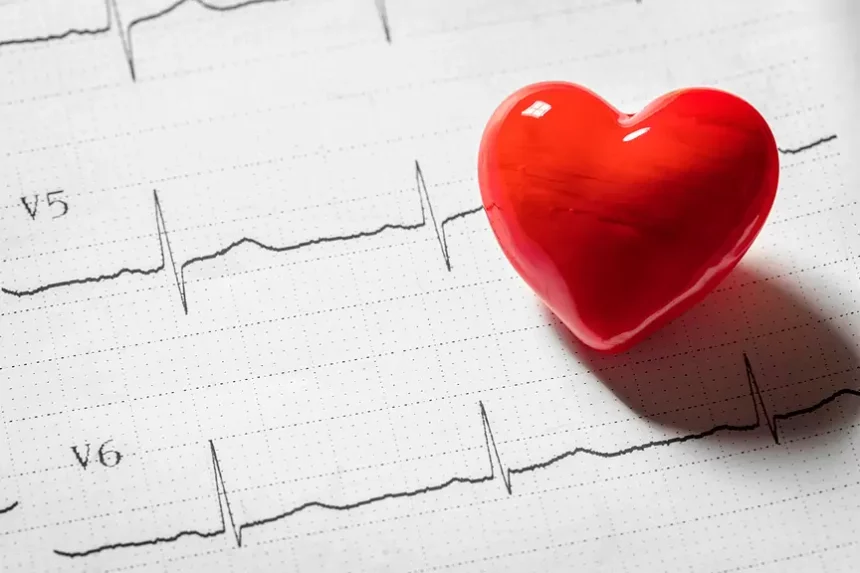
An Electrocardiogram (ECG or EKG) is a simple, painless test that measures the electrical activity of the heart. It records the timing and strength of electrical signals that trigger each heartbeat, providing doctors with valuable information about heart rhythm and function.
How ECG Works
Small sensors (electrodes) are attached to your chest, arms, and legs. These electrodes detect the electrical signals produced by your heart and display them as wave patterns on a monitor or paper strip.
Each wave represents a phase of the heartbeat — allowing physicians to identify irregularities in rhythm, heart size, and blood flow efficiency.
What ECG Can Detect
Regular ECGs can help detect:
- Arrhythmias: Irregular or abnormal heartbeats
- Heart Attack: Ongoing or past episodes of heart attack
- Heart Enlargement: Due to high blood pressure or other issues
- Poor Blood Flow: Blockages or reduced circulation in coronary arteries
- Electrolyte Imbalances: Affecting electrical activity in the heart
When to Get an ECG
Doctors recommend ECGs for individuals who:
- Experience chest pain, palpitations, or shortness of breath
- Have a family history of heart disease
- Are on medications that affect the heart
- Have risk factors such as smoking, obesity, diabetes, or high cholesterol
Regular ECG testing ensures heart health is monitored over time and any issues are detected early.
Understanding the Stress Test
What Is a Stress Test?
A stress test (exercise ECG) evaluates how your heart performs during physical activity. Exercise makes the heart pump harder and faster, which can reveal problems not visible when the heart is at rest.
During the test, you walk on a treadmill or pedal a stationary bike while connected to ECG electrodes. The test monitors your heart rate, rhythm, blood pressure, and breathing.
Types of Stress Tests
- Exercise Stress Test: The most common type, involving physical exercise.
- Nuclear Stress Test: Involves injecting a small radioactive tracer to assess blood flow to the heart.
- Pharmacologic Stress Test: Used for people unable to exercise; medications simulate exercise effects on the heart.
What Stress Tests Can Detect
Stress tests help identify:
- Coronary Artery Disease (CAD): Narrowed arteries reducing blood flow
- Exercise-Induced Arrhythmias: Irregular rhythms triggered by exertion
- Heart Function Efficiency: Ability of the heart to handle stress
- Oxygen Supply Issues: Areas of the heart not getting enough oxygen
When to Get a Stress Test
Doctors may recommend a stress test if you:
- Have chest discomfort or breathlessness during activity
- Are recovering from a heart attack or surgery
- Have known heart disease and need progress monitoring
- Want to evaluate fitness and risk before starting an exercise program
Comparing ECG and Stress Tests
| Feature | ECG | Stress Test |
|---|---|---|
| Purpose | Measures electrical activity of the heart at rest | Assesses heart function during physical exertion |
| Duration | 5–10 minutes | 15–30 minutes |
| Procedure | Electrodes attached to chest, arms, and legs | ECG monitoring during treadmill or cycling |
| Detects | Rhythm problems, heart attack signs, and heart enlargement | Coronary artery blockages, exercise tolerance, and blood flow issues |
| Frequency | Regular intervals or as part of a check-up | As advised by a cardiologist, especially for high-risk patients |
Both tests complement each other — ECGs detect resting abnormalities, while stress tests reveal hidden issues under exertion.
Why Regular Heart Testing Matters
Early Detection Saves Lives
Many heart conditions develop silently. Routine ECGs and stress tests can detect irregularities before symptoms appear, enabling timely treatment and lifestyle changes.
Monitoring Ongoing Conditions
If you already have heart disease, these tests help track treatment effectiveness and ensure medications are working correctly.
Guiding Preventive Care
For those with risk factors — such as diabetes, hypertension, or a sedentary lifestyle — regular tests can provide valuable insight and help prevent major cardiac events.
Enhancing Longevity and Quality of Life
By catching problems early, individuals can manage their condition, reduce hospital visits, and maintain a healthier, more active life.
How Often Should You Get Tested?
- Ages 30–40: Every 2–3 years, especially with family history of heart disease.
- Ages 40–60: Every 1–2 years, or more frequently if risk factors exist.
- 60+ or High-Risk Individuals: Annual ECG and stress tests, as recommended by a cardiologist.
Regular testing frequency depends on your overall health, lifestyle, and medical history — always consult your doctor for personalized advice.
Preparing for the Tests
Before an ECG
- No fasting is required.
- Wear loose-fitting clothes for easy electrode placement.
- Inform your doctor about medications, as some can affect results.
Before a Stress Test
- Avoid caffeine, smoking, or heavy meals before testing.
- Wear comfortable shoes and exercise clothes.
- Follow your doctor’s instructions about stopping certain medications temporarily.
Proper preparation ensures accurate test results and a smooth experience.
Conclusion
Regular ECG and stress tests are essential tools in heart health monitoring. They provide doctors with critical insights into how well your heart is functioning — both at rest and under stress.
By integrating these tests into your regular health checkups, you can detect issues early, manage risk factors effectively, and maintain a strong, healthy heart for years to come.
Your heart deserves the same attention you give to other aspects of your well-being — start monitoring it today.