



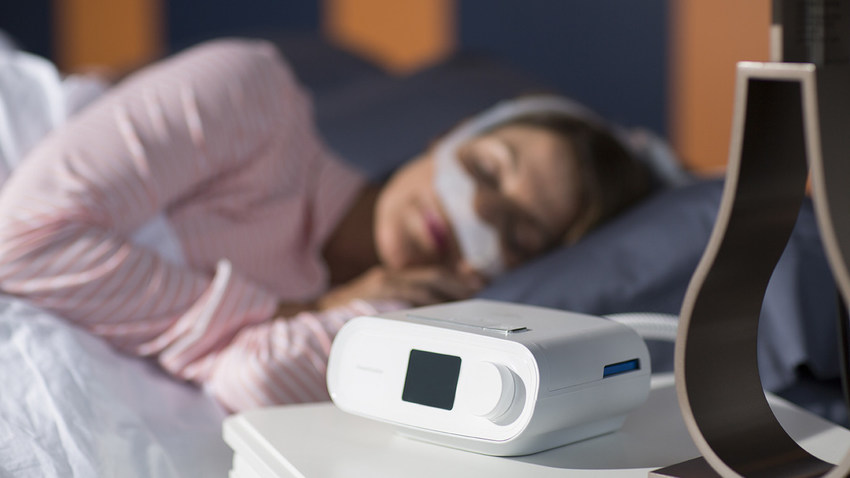
Feeling tired during the day is common, but persistent exhaustion may point to an underlying issue. Many adults experience sleep disruptions without understanding the cause. One possible reason for poor sleep quality and daytime fatigue is sleep apnea, a type of sleep disorders that affect your overall well-being. Recognizing the signs is the first step toward addressing the problem and improving your sleep.
What Is Sleep Apnea?
Sleep apnea is a type of sleep disorder characterized by repeated interruptions in breathing during sleep. These pauses, known as apneas, can happen many times throughout the night. When breathing stops, the brain briefly wakes the person to resume breathing. Most people do not remember these awakenings.
There are a few types of sleep apnea. The most common is obstructive sleep apnea (OSA), which occurs when the throat muscles relax and block the airway. Central sleep apnea (CSA) happens when the brain does not send the proper signals to the muscles that control breathing. Some individuals have a combination of both, known as complex sleep apnea syndrome. The repeated breathing interruptions prevent deep, restorative sleep.
What Are Signs?
The indications of sleep apnea can be subtle or pronounced. They often affect both your nighttime sleep and your daytime functioning. A bed partner may be the first to notice some of these signs, as you might be unaware that they are happening. Paying attention to these patterns helps you understand if sleep disorders are affecting you. Common signs include:
- Loud, persistent snoring: While not all snoring is related to sleep apnea, loud and frequent snoring is a primary indicator. It is often punctuated by moments of silence, followed by choking or gasping sounds as breathing resumes.
- Daytime sleepiness: Feeling excessively tired during the day, even after a full night’s sleep, is a key symptom. This fatigue can interfere with work, driving, and other daily activities, making it difficult to concentrate.
- Observed pauses in breathing: A partner or family member might notice that you stop breathing for short periods while you are asleep. These pauses may last for several seconds and occur repeatedly.
- Waking up with a dry mouth or sore throat: Breathing through your mouth due to an obstructed airway can cause discomfort in your mouth and throat.
- Morning headaches: Frequent headaches upon waking can result from decreased oxygen levels in the brain during the night.
Recognizing one or more of these signs warrants further attention. These symptoms can build over time, and you may not immediately connect them to a sleep-related issue.
When Should You See a Specialist?
If you experience symptoms associated with sleep apnea, it is a good idea to speak with a healthcare provider. You may want to keep a sleep diary for a couple of weeks to track your sleep patterns and the severity of your symptoms. Note how you feel upon waking and your level of tiredness throughout the day.
A provider will evaluate your symptoms and determine if a referral to a sleep specialist is appropriate. Sleep specialists can conduct specific tests to diagnose sleep disorders. A standard test is a polysomnography, or a sleep study. This study monitors your brain waves, heart rate, breathing, and oxygen levels while you sleep to identify any abnormalities. Based on the results, a specialist can recommend a suitable course of action.
Get Sleep Disorders Checked
Addressing sleep-related breathing problems starts with recognizing the signs and seeking a professional opinion. If left unevaluated, these conditions can impact your quality of life. Understanding the potential for a sleep disorder empowers you to take the next step. If your sleep patterns concern you, a healthcare professional can guide you toward a proper diagnosis and management plan. You can start by scheduling an appointment with your doctor to discuss your symptoms and begin the path to better rest.