



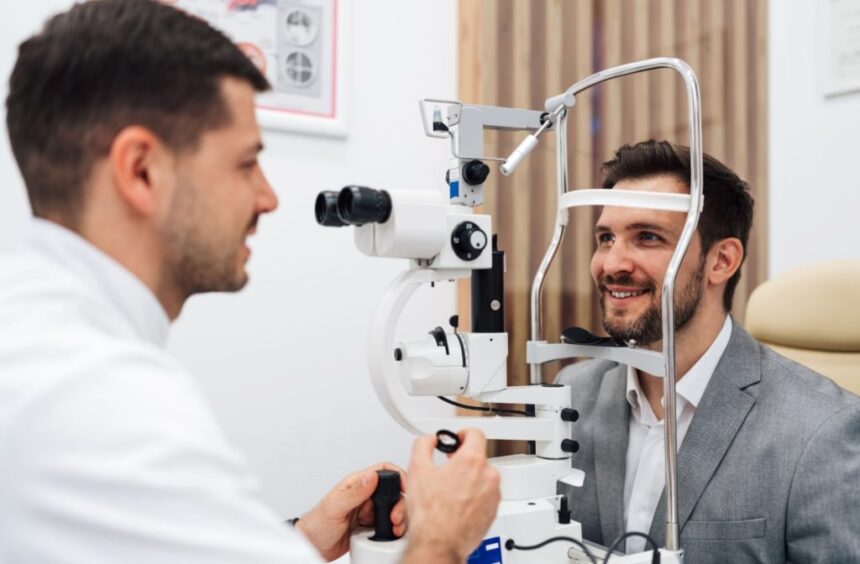
Routine eye care is a component of maintaining overall health. Vision can change at various stages of life, from childhood through adulthood. Proactive examinations allow individuals to monitor their vision and address changes as they occur. Scheduling regular appointments with an eye doctor helps people stay informed about their eye health and supports their long-term vision objectives.
When Should You See an Eye Doctor?
The recommended frequency for eye examinations varies based on age, risk factors, and existing health conditions. An eye doctor can offer personalized advice based on an individual’s specific circumstances. Young children often undergo vision screenings during pediatric check-ups. A more thorough eye examination may be recommended before they start school to assess eye alignment, focus, and overall eye health.
Adults Ages 18 to 60
For adults with no symptoms or known risk factors for eye disease, examinations may be suggested every two to five years. Those who wear corrective lenses, such as glasses or contact lenses, typically have annual visits to keep their prescriptions current. People with certain health conditions, like diabetes, may be advised to have more frequent evaluations.
Adults Over Age 60
Beginning around age 40, annual eye examinations are often recommended. At this stage, the risk for certain age-related eye conditions increases. Regular visits allow an eye doctor to monitor for changes and discuss any symptoms that may arise.
What Signs Indicate Care Is Needed?
Certain signs may indicate that an eye examination is warranted outside of a routine schedule. These symptoms can be subtle or sudden. Observing any of the following changes in your vision or eye comfort suggests it is time to schedule an appointment.
- Blurry Vision: Difficulty seeing objects clearly at any distance.
- Eye Strain or Fatigue: Eyes that feel tired or achy, particularly after reading or using digital screens.
- Sensitivity to Light: Noticeable discomfort when exposed to bright indoor lighting or sunlight.
- Floaters or Flashes of Light: Seeing new or increased numbers of specks, strings, or flashes in your field of vision.
- Double Vision: Seeing two images of a single object.
- Sudden Vision Changes: Any abrupt alteration in your ability to see.
- Red, Dry, or Painful Eyes: Persistent redness, irritation, a gritty sensation, or pain in one or both eyes.
What Should You Expect?
A comprehensive eye examination involves several steps designed to evaluate your vision and the health of your eyes. You will likely discuss your personal and family medical history with a technician or the doctor first. This conversation helps them understand any risk factors or symptoms you are experiencing.
A visual acuity test is typically performed, often using a chart with letters of decreasing size, to measure how clearly you can see at various distances. A refraction assessment follows to determine the appropriate lens prescription for glasses or contact lenses, if needed. The doctor will also check the pressure inside your eyes, which is a common screening test.
To view the back of the eye, including the retina and optic nerve, your pupils may be dilated with eye drops. This procedure temporarily widens the pupils to give the doctor a better view. Some practices may also use advanced digital imaging technology to capture detailed pictures of the retina. After the examination, the doctor will discuss the findings with you.
Schedule an Eye Exam
Timely appointments with an eye care professional provide a clear understanding of your current eye health and vision status. These visits create an opportunity to ask questions, update prescriptions, and address any changes you may have noticed. To support your vision, you can book an examination with a qualified ophthalmologist.