



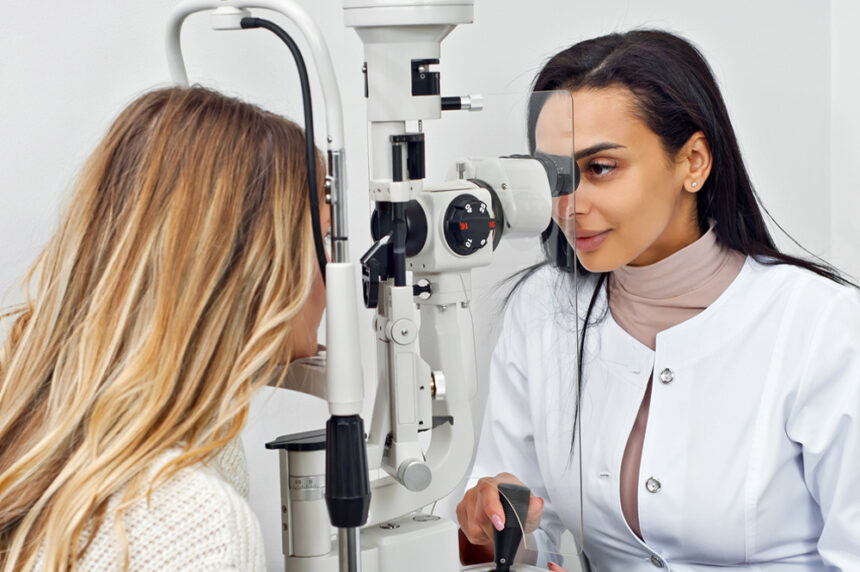
Ophthalmologists are medical doctors who specialize in diagnosing and treating a wide range of eye conditions, from minor vision issues to serious diseases that can lead to vision loss. Through advanced diagnostic tools and specialized treatments, they help preserve and improve eye health at every stage of life. Here’s how ophthalmologists diagnose and treat some common eye conditions:
Understanding the Role of Ophthalmologists
Ophthalmologists, also known as eye physicians, play a fundamental role in preserving vision and overall eye health. They complete extensive medical training, which allows them to perform comprehensive eye exams, prescribe corrective lenses, and perform surgical procedures. Unlike optometrists, who primarily focus on vision correction, eye doctors can treat all types of eye diseases and perform surgery.
Exploring Diagnostic Techniques
Ophthalmologists utilize a variety of diagnostic methods to assess and monitor eye health, aiding precise identification and treatment of eye conditions. These methods include:
- Visual Acuity Tests: Measure the clarity of vision at various distances, often involving the use of an eye chart.
- Slit-Lamp Examination: Provides a detailed view of the eye’s structures, including the cornea, iris, lens, and retina.
- Dilated Eye Exam: Enlarges the pupil with special drops to allow detailed examination of the retina and optic nerve.
- Ocular Imaging: This includes techniques such as Optical Coherence Tomography (OCT) for capturing high-resolution images of eye structures.
- Tonometry: Measures intraocular pressure, aiding in the detection of glaucoma.
- Visual Field Testing: Assesses peripheral (side) vision to identify potential blind spots or neurological issues.
These diagnostic tools enable ophthalmologists to deliver accurate diagnoses and develop effective treatment plans.
Managing Common Eye Conditions
Ophthalmologists manage and treat a variety of common eye conditions that impact vision and overall eye health. Here are some of them:
- Cataracts: A cloudy lens in the eye that causes blurred or dimmed vision, usually addressed through surgical intervention.
- Glaucoma: A group of diseases that damage the optic nerve, often associated with elevated intraocular pressure, requiring medical or surgical management.
- Age-Related Macular Degeneration (AMD): A disease affecting the central retina, leading to vision loss, commonly treated with lifestyle modifications, medications, or laser procedures.
- Diabetic Retinopathy: Retinal damage caused by diabetes, managed through blood sugar control, medications, or surgery to prevent progression.
- Dry Eye Syndrome: A condition caused by insufficient tear production or poor-quality tears, treated with artificial tears, medications, or lifestyle changes.
- Refractive Errors: Issues such as nearsightedness, farsightedness, or astigmatism, generally corrected with glasses, contact lenses, or refractive surgery.
These are just a few examples of the conditions addressed by ophthalmologists, showcasing their role in maintaining and restoring visual health.
Supporting Long-term Vision Health
Once a diagnosis is made, your ophthalmologist will discuss suitable treatment options with you. For cataracts, surgery to replace the cloudy lens with an artificial one is a common and effective procedure. For conditions like diabetic retinopathy and macular degeneration, treatments may involve injections of medication into the eye or laser therapy to seal leaking blood vessels.
Long-term care is also a key part of an ophthalmologist’s role. They provide ongoing monitoring to manage chronic conditions, such as glaucoma, and offer guidance on lifestyle changes that support eye health. They also prescribe glasses and contact lenses to correct refractive errors.
See Ophthalmologists for Expert Care
Ophthalmologists provide complete medical and surgical care for your eyes. Through detailed diagnostic methods, they can identify various conditions and offer targeted treatments to preserve your vision. Contact a trusted eye care practice near you to schedule an appointment with ophthalmologists for professional care.