



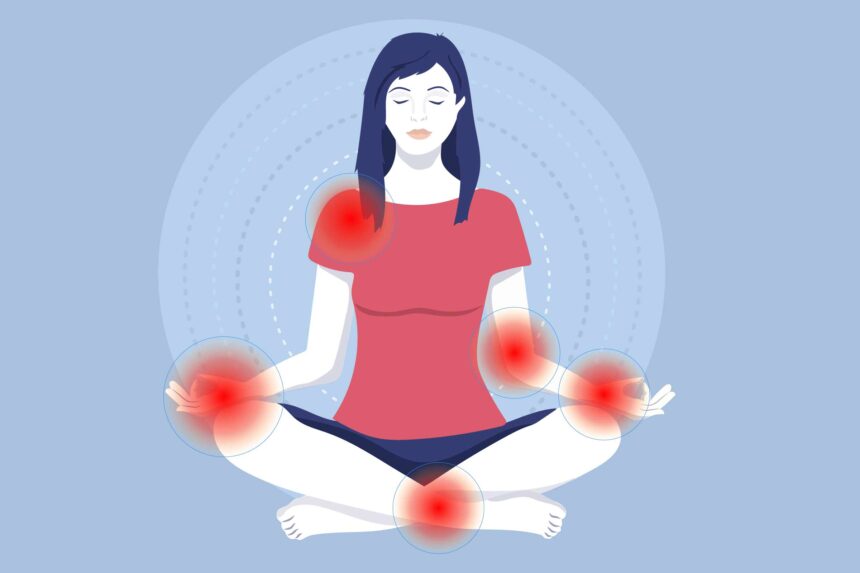
Chronic pain is a long-term condition that can last for months or even years, affecting a person’s physical health, emotional well-being, and quality of life. While medications and physical therapy are common treatments, they don’t always provide complete relief. Increasingly, research shows that mindfulness and meditation can play a powerful role in reducing chronic pain naturally, helping individuals retrain their minds and bodies to experience less suffering.
Understanding Chronic Pain
Before exploring mindfulness and meditation, it’s important to understand what chronic pain is. Unlike acute pain, which signals immediate injury, chronic pain persists long after an injury has healed. It often results from conditions like arthritis, fibromyalgia, back injuries, or nerve damage.
The brain continues to send pain signals even when no physical cause remains. This means that pain is not just a physical sensation—it’s also deeply influenced by thoughts, emotions, and stress levels. This is where mindfulness and meditation come into play.
What Is Mindfulness and Meditation?
Mindfulness is the practice of staying fully present and aware of your thoughts, feelings, and bodily sensations without judgment.
Meditation is a mental exercise that focuses attention and awareness to calm the mind and improve emotional regulation.
Together, mindfulness and meditation train the brain to observe pain objectively rather than reacting to it emotionally, which can significantly reduce perceived pain intensity.
The Science Behind Mindfulness and Pain Reduction
Studies from leading universities such as Harvard and Stanford have found that mindfulness and meditation change how the brain processes pain. Regular practice strengthens areas of the brain involved in emotional control while reducing activity in pain-related regions like the somatosensory cortex.
How It Works
- Reduces Pain Perception: Meditation alters how the brain interprets pain signals, making sensations less intense.
- Lowers Stress Hormones: Mindfulness reduces cortisol (the stress hormone), which can worsen inflammation and pain.
- Improves Emotional Regulation: Patients learn to manage frustration, fear, and anxiety often associated with chronic pain.
- Enhances Relaxation Response: Meditation activates the parasympathetic nervous system, promoting calm and healing.
Mindfulness Techniques for Chronic Pain Relief
There are several mindfulness-based practices proven to help with pain relief.
1. Body Scan Meditation
This involves slowly focusing attention on different parts of the body, noticing sensations without reacting to them. Over time, it helps people separate pain from emotional distress.
2. Breath Awareness
By focusing on deep, controlled breathing, individuals calm their nervous system and reduce pain-related anxiety.
3. Mindful Movement (Yoga or Tai Chi)
Gentle movement combined with mindful breathing helps increase flexibility, balance, and body awareness—all of which can ease chronic pain.
4. Loving-Kindness Meditation
This technique fosters compassion toward oneself and others, reducing emotional tension and promoting overall well-being.
5. Guided Imagery
Using visualization techniques, patients imagine peaceful scenes to distract the mind from pain and promote relaxation.
How Meditation Rewires the Brain’s Response to Pain
Neuroscientific studies show that consistent meditation practice changes the structure and function of the brain. MRI scans of long-term meditators reveal increased activity in the prefrontal cortex (responsible for self-control) and reduced activity in the amygdala (linked to stress and fear).
This means meditation doesn’t eliminate pain—it reduces the brain’s emotional reaction to it, allowing individuals to experience pain with less suffering.
Combining Mindfulness with Other Pain Management Approaches
Mindfulness is most effective when combined with other treatments such as:
- Physical therapy for mobility improvement
- Balanced nutrition to reduce inflammation
- Cognitive-behavioral therapy (CBT) for emotional resilience
- Medication (when necessary) under medical supervision
Together, these approaches create a holistic pain management plan that targets both the mind and body.
The Emotional and Mental Health Benefits
Mindfulness and meditation don’t just reduce pain—they also improve emotional well-being. People living with chronic pain often experience depression, anxiety, and frustration. Meditation encourages self-compassion, patience, and acceptance, leading to better overall quality of life.
Patients often report feeling more in control of their pain and less defined by their condition, which helps them return to daily activities with greater confidence.
Tips for Practicing Mindfulness and Meditation for Pain
- Start with 5–10 minutes daily and gradually increase.
- Find a quiet, comfortable space free of distractions.
- Use guided meditation apps or videos for structure.
- Be patient—results develop over weeks, not days.
- Combine with gentle stretching or yoga for best results.
Conclusion
Mindfulness and meditation offer a powerful, drug-free approach to reducing chronic pain. By training the mind to focus on the present and respond calmly to discomfort, individuals can break the cycle of pain, stress, and emotional suffering. Whether used alone or alongside medical treatments, mindfulness helps restore balance, improve quality of life, and empower individuals to live more peacefully—even in the presence of pain.
FAQs
1. Can mindfulness completely eliminate chronic pain?
Not always—but it can significantly reduce pain intensity and improve your ability to cope with it.
2. How long does it take for mindfulness to show results?
Most people notice improvements in 4–8 weeks of consistent daily practice.
3. Can mindfulness replace pain medication?
In some cases, yes, but it’s best used as a complementary approach alongside medical guidance.
4. Is mindfulness safe for everyone?
Yes. It’s a non-invasive and natural method suitable for all age groups and health conditions.
5. What’s the best time to meditate for pain relief?
Early morning or before bed works best, but the key is consistency—practice daily for lasting results.