



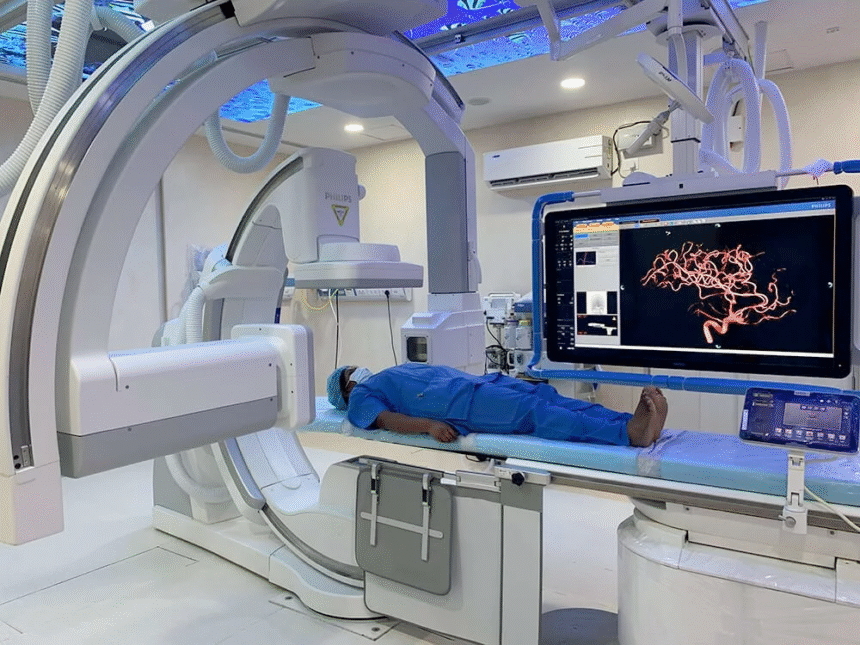
For many people contemplating cosmetic procedures, one of the biggest concerns isn’t the treatment itself; it’s the potential for visible scars afterward. Using advanced imaging guidance and minimally invasive techniques, interventional radiology allows doctors to perform cosmetic enhancements and corrective procedures through small incisions. This reduces scarring, recovery time, and discomfort.
What Is Interventional Radiology’s Role?
Interventional radiology in cosmetic medicine uses advanced imaging technologies to guide precise treatments. Radiologists employ ultrasound, CT scans, and MRI to visualize internal structures in real-time during procedures. This allows for the exact placement of instruments and treatments while avoiding damage to surrounding healthy tissue.
The procedures involve inserting thin catheters, needles, or small instruments through tiny skin punctures. These access points measure only a few millimeters compared to the several-inch incisions required in traditional surgery. The interventional radiologist monitors every movement on high-resolution screens, making sure treatments target only the intended areas.
Which Procedures Are Image-Guided?
Interventional radiologists perform a range of minimally invasive cosmetic procedures using advanced imaging technologies to provide precision. These procedures include:
- Image-guided varicose vein treatments: Minimizing the appearance of varicose veins through targeted therapies such as endovenous laser treatment or sclerotherapy.
- Non-surgical tumor ablation: Utilizing thermal or chemical methods to reduce or eliminate benign cosmetic tumors.
- Minimally invasive body contouring: Techniques like cryolipolysis or radiofrequency ablation to reduce localized fat deposits.
- Skin rejuvenation treatments: Addressing cosmetic concerns such as wrinkles, scars, and stretch marks with procedures like laser therapy or micro-needling.
These procedures highlight the versatility of image-guided procedures in addressing the cosmetic needs of patients, offering minimal downtime, reduced risks, and effective outcomes.
Why Does It Scar Less?
The fundamental benefit of interventional radiology lies in its minimally invasive approach to tissue disruption. Traditional surgical procedures require large incisions to provide surgeons with direct visual access to treatment areas. These incisions cut through multiple layers of skin, fat, and sometimes muscle tissue, resulting in significant wounds that often leave visible scarring.
Image-guided procedures also reduce the need for extensive tissue manipulation. Surgeons must often move, cut, or retract tissues to reach target areas, causing further trauma beyond the initial incision. Interventional radiologists navigate directly to treatment sites using imaging guidance, thereby minimizing collateral tissue damage that can contribute to scarring.
Why Is the Demand Growing?
The reduced scarring associated with interventional radiology procedures addresses a key concern for individuals seeking aesthetic treatments. Many patients who previously avoided cosmetic procedures due to concerns about scarring can now find acceptable options through these techniques. Recovery times for image-guided procedures are significantly shorter than traditional surgical approaches. Most patients return to normal activities within days rather than weeks. The precision of interventional radiology also improves cosmetic outcomes. Image guidance enables precise targeting of problem areas while preserving healthy surrounding tissue.
Learn More About Interventional Radiology
Image-guided procedures are a significant advancement in cosmetic medicine through their minimally invasive approach and superior scarring outcomes. The combination of advanced imaging guidance and tiny access points provides patients with effective aesthetic treatments while minimizing the visible signs of medical intervention. Contact a qualified interventional radiologist near you to learn more about minimally invasive cosmetic procedures available in your area.