



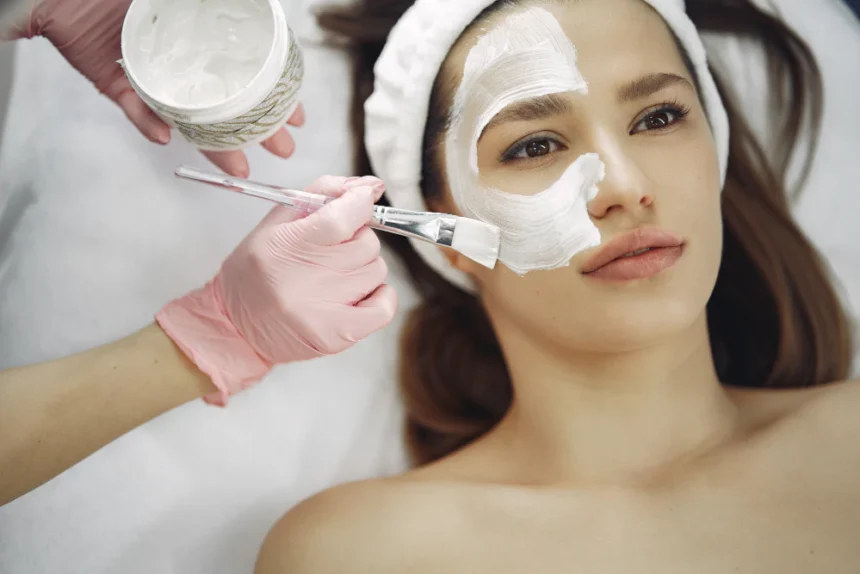
A facial helps to address various skin concerns through a series of procedures. While facials are used for relaxation, these treatments also perform specific functions that assist in maintaining skin health. Understanding each step’s contribution helps you see how the overall appearance of your skin improves. Here is more information about the potential benefits of facials:
Cleanses and Exfoliates Skin
The initial step in a facial involves a thorough cleansing of the skin. A specialist applies a cleanser suited to your skin type to remove surface impurities like dirt, oil, and makeup. After the initial cleanse, the exfoliation process begins, which is designed to remove the outermost layer of dead skin cells. This removal of dead cells helps reveal the newer, more radiant skin underneath, and it prepares the skin for subsequent treatments.
Some facials use physical exfoliants, such as scrubs with fine granules, while others use chemical exfoliants containing acids. The chosen method depends on your skin’s sensitivity and specific needs. This process unclogs pores and improves the skin’s ability to absorb products applied later in the treatment.
A smooth skin surface may reflect light more evenly. By clearing away the dull, dead cells that accumulate on the surface, exfoliation contributes to a more luminous complexion. This step is a key part of how facials work to refresh your skin’s appearance.
Vacuums Dead Skin Cells
Following exfoliation, some facial procedures may include a step that uses a gentle suction device. This tool vacuums away loosened dead skin cells and debris from the pores. The suction action provides a deeper clean than manual cleansing alone, and it helps to clear out congestion that contributes to blackheads. This targeted removal of impurities leaves the skin feeling exceptionally smooth and clean.
Prevents Future Outbreaks
Regularly clearing out pores helps manage the factors that lead to acne breakouts. During a facial, a specialist performs extractions to remove existing blackheads and whiteheads, but the overall process also helps prevent new ones from forming. A clean and well-exfoliated face is less prone to the buildup that causes blemishes. When pores are clear, body oils may be less likely to become trapped, which reduces the opportunity for acne bacteria to thrive.
The products used during a facial also contribute to managing skin health. For instance, many professional treatments incorporate ingredients with antibacterial or anti-inflammatory properties. These applications work to calm the skin and manage oil production. Consistent facials, combined with a proper at-home routine, support a balanced complexion over time.
Hydrates the Skin
After the skin is cleansed and exfoliated, it is prepared to receive hydration. This stage of a facial is focused on replenishing moisture and nourishing the skin with specific ingredients. An esthetician will apply a variety of products, which might include:
- Serums
- Masks
- Moisturizers
These products are typically rich in hyaluronic acid and glycerin, which draw water into the skin. Well-hydrated skin naturally appears plumper and more radiant, while dehydrated skin may look dull. Because the earlier steps have cleared away dead cells, these hydrating ingredients can penetrate the skin more effectively.
Schedule Facials Today
A facial is an option that cleanses, exfoliates, and nourishes the skin. The process removes dead skin cells and hydrates the new layer of skin underneath, contributing to a brighter and more even-toned appearance. If you would like to experience this process for yourself, book a facial appointment to get started.