



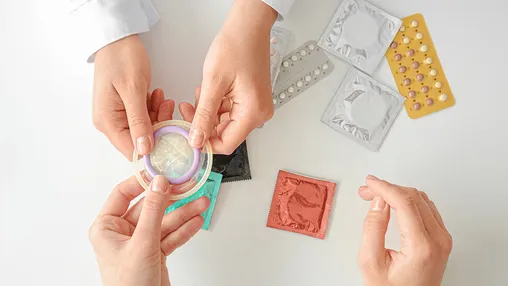
Navigating the landscape of reproductive health involves understanding the various methods available for family planning and consulting with a gynecologist. The decision to use birth control is multifaceted, involving factors around one’s health, lifestyle, and future goals. Gaining a clear understanding of the available options is a foundational step in making an informed choice.
What Is Birth Control?
Birth control refers to any method, medicine, or device used to prevent pregnancy. These methods function in different ways to achieve this outcome. Some work by preventing sperm from reaching an egg. Others operate by inhibiting the release of an egg from the ovaries.
The use of contraception allows individuals to plan the timing and spacing of their pregnancies. The methods range from temporary, short-acting options to long-term or permanent solutions. Understanding the basic mechanism behind each approach can help facilitate a more productive conversation with a medical professional.
What Are the Different Options?
There is a wide array of birth control methods available. They are often grouped into categories based on how they work, how they are used, and how long they last. A healthcare specialist, such as a gynecologist, can prescribe them.
Hormonal Methods (Oral Contraceptives)
Hormonal methods use hormones to prevent pregnancy, primarily by stopping ovulation. Oral contraceptives are pills taken daily at the same time. They may contain synthetic forms of hormones that regulate the menstrual cycle. When a person decides to stop taking the pill, their ability to become pregnant typically returns.
Long-Acting Reversible Contraceptives (IUDs)
Intrauterine devices (IUDs) are small, T-shaped devices placed inside the uterus by a healthcare provider. An IUD is a long-acting reversible contraceptive (LARC), meaning it can prevent pregnancy for several years but can be removed at any time if a person wishes to become pregnant. There are hormonal and non-hormonal versions. Once in place, an IUD requires little to no daily maintenance.
Barrier Methods
Barrier methods create a physical block that prevents sperm from reaching an egg. Condoms are a widely known example. They are sheaths placed over the penis or inserted into the vagina before intercourse. Another example is the diaphragm, a shallow, dome-shaped cup inserted into the vagina. Barrier methods are typically used only during sexual activity. Some barrier methods, like condoms, also help reduce the transmission of sexually transmitted infections (STIs).
How Do You Pick One?
Selecting a birth control method is a personal decision based on a variety of individual factors. A method that works well for one person may not be suitable for another. Examining your lifestyle, health, and personal preferences can help you identify which options align best with your needs before you speak with a provider.
Think about your daily routine. Would remembering to take a pill every day be manageable, or would a low-maintenance option like an IUD be more fitting? Your comfort level with different methods is also a factor. Some individuals may prefer a method they control themselves, while others may opt for a provider-administered one.
Some methods are more discreet than others. The need for a partner’s cooperation varies by method. Think about your reproductive goals. If you plan to have children in the near future, a readily reversible method might be preferable.
Speak Further With a Gynecologist
A thorough discussion with a gynecologist or another qualified healthcare provider is the definitive step in choosing a birth control method. Your provider can offer personalized guidance based on your medical history and specific health needs. This collaborative conversation will help you select a birth control method that supports your health and life plans.