



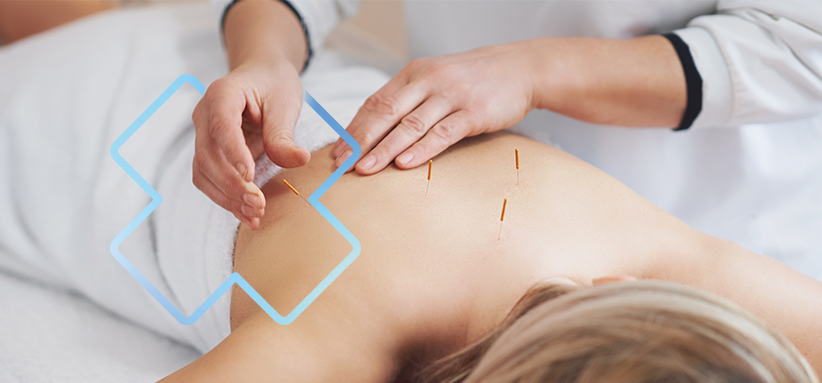
Pain is one of the most common health concerns affecting millions of people worldwide. From chronic back pain to stress-induced headaches, individuals often seek effective and natural ways to find relief. Among the most trusted alternative treatments are acupuncture and massage therapy, both of which have been used for centuries to manage pain and promote overall wellness.
These therapies aim not just to reduce pain temporarily but to address its underlying causes — whether they are physical, emotional, or energetic.
Understanding Acupuncture and Massage Therapy
What Is Acupuncture?
Acupuncture is an ancient Traditional Chinese Medicine (TCM) technique that involves inserting very fine needles into specific points on the body known as acupoints. According to TCM, these points lie along energy pathways called meridians, and when stimulated, they help restore the flow of energy or “Qi” (pronounced chee) throughout the body.
In modern medicine, acupuncture is understood to:
- Stimulate nerves, muscles, and connective tissues
- Trigger the release of endorphins (natural painkillers)
- Improve blood circulation and reduce inflammation
What Is Massage Therapy?
Massage therapy involves manipulating the body’s soft tissues — muscles, tendons, and ligaments — to improve circulation, reduce tension, and promote relaxation. It is widely used in both rehabilitative and preventive care, helping alleviate pain caused by stress, injury, or chronic illness.
Massage therapy techniques include:
- Swedish massage – for general relaxation
- Deep tissue massage – for chronic muscle pain and tightness
- Trigger point therapy – for localized pain relief
- Sports massage – for athletic injuries and muscle recovery
How Acupuncture Helps Relieve Pain
Acupuncture provides pain relief through a combination of neurological, hormonal, and circulatory mechanisms.
1. Stimulates Natural Painkillers
Acupuncture activates the body’s endogenous opioid system, causing the release of endorphins and enkephalins — natural chemicals that block pain signals to the brain.
2. Reduces Inflammation
Research shows that acupuncture can help lower pro-inflammatory markers, which are responsible for swelling and tenderness in chronic pain conditions like arthritis or tendonitis.
3. Enhances Blood Flow
By improving local blood circulation, acupuncture helps deliver oxygen and nutrients to damaged tissues, speeding up the healing process.
4. Balances the Nervous System
Acupuncture influences the autonomic nervous system, helping to calm the body’s stress response. This relaxation effect contributes to pain reduction and emotional well-being.
How Massage Therapy Helps Relieve Pain
Massage therapy complements acupuncture by addressing the musculoskeletal causes of pain.
1. Relieves Muscle Tension
Massage helps release tight muscles and fascia (connective tissue), improving flexibility and range of motion. This is especially effective for conditions like back pain, neck stiffness, and migraines.
2. Improves Circulation
The kneading and pressure used in massage therapy increase blood and lymph flow, which helps remove metabolic waste and reduce inflammation.
3. Promotes Relaxation and Stress Reduction
Pain often worsens under stress. Massage triggers the parasympathetic nervous system, lowering cortisol levels and promoting relaxation — reducing both mental and physical tension.
4. Enhances Recovery After Injury
Massage therapy supports tissue regeneration and can reduce scar tissue formation, making it a valuable tool in post-injury rehabilitation.
Combining Acupuncture and Massage Therapy for Pain Relief
1. A Synergistic Approach
When used together, acupuncture and massage therapy can enhance each other’s effectiveness. Acupuncture works on internal energy and nervous system regulation, while massage focuses on physical muscle relaxation and circulation improvement.
2. Benefits of Combination Treatment
- Faster recovery from injuries
- Reduced need for medication
- Improved mobility and flexibility
- Better sleep quality and mental health
Many holistic clinics combine both treatments in one session to provide a comprehensive pain management plan.
Conditions That Benefit from Acupuncture and Massage Therapy
These therapies can help with a wide range of pain-related conditions, including:
- Chronic back or neck pain
- Arthritis and joint stiffness
- Sciatica and nerve pain
- Migraines and tension headaches
- Fibromyalgia
- Post-surgical pain
- Sports injuries
Both treatments are non-invasive and can be tailored to individual needs, making them ideal for long-term pain management.
Scientific Evidence Supporting These Therapies
Several studies confirm the effectiveness of acupuncture and massage therapy:
- A 2020 review in the Journal of Pain Research found that acupuncture provides significant relief for chronic low back pain and osteoarthritis.
- Massage therapy has been shown to reduce cortisol levels by up to 30% and increase serotonin and dopamine, the body’s natural mood stabilizers.
These findings support what traditional practitioners have known for centuries — that touch and energy balance can play a major role in healing.
Precautions and Considerations
Before starting any treatment:
- Consult a licensed practitioner for both acupuncture and massage.
- Inform your therapist about medical history, medications, or allergies.
- Avoid acupuncture if you have bleeding disorders or are pregnant (certain points may be contraindicated).
- Stay hydrated and rest after treatment to maximize benefits.
Conclusion
Acupuncture and massage therapy offer a powerful, natural alternative to pain medications, helping the body heal from within. By improving circulation, reducing inflammation, and balancing energy flow, they address both the physical and emotional roots of pain. Whether used separately or together, these therapies can restore comfort, movement, and overall well-being — making them an essential part of modern pain management.
FAQs
1. How many acupuncture sessions are needed for pain relief?
Most people notice improvement after 3–6 sessions, but chronic pain may require ongoing treatment for lasting results.
2. Is acupuncture painful?
No, acupuncture needles are extremely thin. Most patients feel little to no discomfort — only a mild tingling or warmth.
3. How often should I get a massage for pain relief?
For chronic pain, weekly or bi-weekly sessions are recommended initially, followed by maintenance once pain decreases.
4. Can acupuncture and massage therapy be used together?
Yes, combining both therapies enhances pain relief and relaxation by addressing both the body’s energy flow and muscle tension.
5. Are these therapies safe for everyone?
Generally yes, but individuals with bleeding disorders, pregnancy, or certain medical conditions should consult their healthcare provider before starting treatment.