



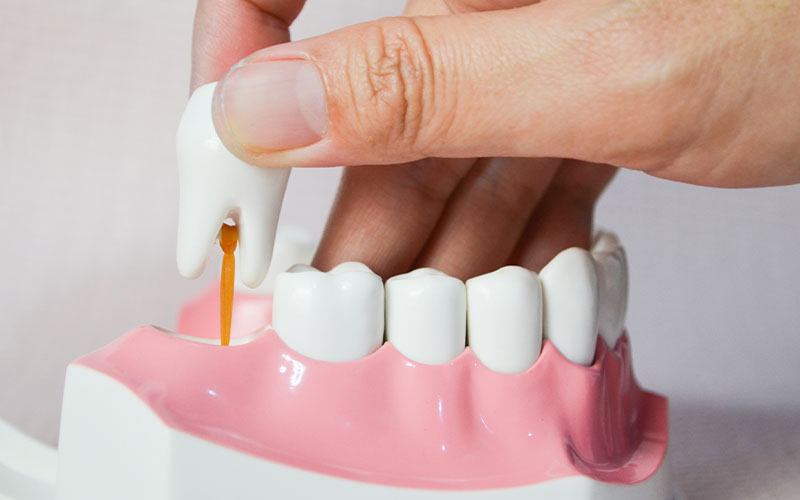
Missing teeth can affect more than just your appearance — they can impact your ability to chew, speak, and maintain proper oral health. Thankfully, dental implants offer a permanent, natural-looking solution that restores both functionality and confidence.
Over the years, dental implants have become one of the most advanced and reliable methods of tooth replacement. In this article, we’ll explore what dental implants are, how they work, their benefits, and why they are considered the gold standard for restoring missing teeth.
What Are Dental Implants?
A dental implant is an artificial tooth root made of titanium (or a biocompatible material) that is surgically placed into the jawbone. Once healed, it provides a stable foundation for a crown, bridge, or denture, effectively replacing missing teeth.
Main Components of a Dental Implant
- Implant Post (Fixture): Acts as the tooth root and integrates with the jawbone through a process called osseointegration.
- Abutment: A connector that joins the implant post to the dental crown or restoration.
- Crown: The visible part of the implant — a custom-made, natural-looking tooth replacement.
The Dental Implant Procedure
Dental implants are typically placed in multiple stages to ensure long-lasting results. Here’s what you can expect:
1. Consultation and Examination
Your dentist will assess your oral health, review X-rays or 3D scans, and determine if you have sufficient bone density for the implant.
2. Implant Placement
The titanium post is surgically placed into the jawbone. Local anesthesia ensures comfort throughout the procedure.
3. Osseointegration Phase
Over the next 3–6 months, the bone fuses with the implant post, creating a stable anchor similar to a natural tooth root.
4. Abutment and Crown Placement
Once healing is complete, the abutment and custom crown are attached, completing your smile restoration.
Types of Dental Implants
Depending on your needs, bone structure, and oral health, your dentist may recommend one of the following types of implants:
1. Endosteal Implants (Most Common)
- Placed directly into the jawbone.
- Ideal for patients with strong, healthy bone.
- Offers excellent stability and long-term success.
2. Subperiosteal Implants
- Placed under the gum but above the jawbone.
- Suitable for patients who don’t have enough bone density and cannot undergo bone grafting.
3. All-on-4 or Full-Arch Implants
- Supports an entire set of upper or lower teeth with just four implants.
- Perfect for full-mouth restoration.
- Faster healing and immediate aesthetic results.
Who Is a Good Candidate for Dental Implants?
Dental implants are suitable for most adults with good oral and overall health. Ideal candidates include those who:
- Have one or more missing teeth
- Have a fully developed jawbone
- Maintain good oral hygiene habits
- Don’t smoke or can quit during the healing process
Patients with conditions like diabetes, bone loss, or gum disease may require special evaluation or pre-treatment care.
Advantages of Dental Implants
Dental implants are preferred over traditional dentures and bridges for many reasons.
1. Long-Lasting and Durable
With proper care, implants can last a lifetime — making them a worthwhile investment in long-term oral health.
2. Natural Look and Feel
Implants mimic the look, function, and feel of natural teeth, allowing you to smile, speak, and eat with confidence.
3. Prevents Bone Loss
Unlike dentures, implants stimulate the jawbone, preventing bone deterioration and facial sagging.
4. Protects Adjacent Teeth
Traditional bridges require grinding down neighboring teeth for support. Implants preserve natural tooth structure.
5. Easy Maintenance
Implants can be brushed and flossed like natural teeth — no special cleaning solutions required.
Potential Risks and Complications
Though rare, dental implant procedures carry some risks, including:
- Infection at the implant site
- Nerve damage or sinus issues (if placed in the upper jaw)
- Implant failure due to insufficient bone integration
However, with experienced dental care and proper hygiene, the success rate of dental implants exceeds 95%.
Caring for Dental Implants
Proper care ensures that your implants remain healthy and long-lasting.
1. Maintain Good Oral Hygiene
Brush twice a day, floss daily, and use an antibacterial mouthwash to keep your gums healthy.
2. Regular Dental Visits
Schedule checkups every 6 months to monitor implant stability and gum health.
3. Avoid Smoking
Smoking can slow healing and increase the risk of implant failure.
4. Protect Your Teeth
If you grind your teeth, your dentist may recommend a night guard to prevent damage.
Dental Implants vs. Dentures and Bridges
| Feature | Dental Implants | Dentures | Dental Bridges |
|---|---|---|---|
| Longevity | 20+ years to lifetime | 5–8 years | 10–15 years |
| Stability | Fixed and permanent | May slip or shift | Fixed but supported by other teeth |
| Bone Preservation | Prevents bone loss | Does not prevent bone loss | Partial bone protection |
| Comfort | Feels like natural teeth | May cause discomfort | Moderate comfort |
| Cost (Initial) | Higher | Lower | Moderate |
Cost of Dental Implants
The cost varies depending on:
- The number of teeth replaced
- Type of implant system used
- Bone grafting or sinus lift requirements
- Dentist’s expertise and location
On average, a single dental implant can cost between $2,000–$5,000, but it’s often considered a lifetime investment due to its durability and functionality.
Conclusion
Dental implants represent a remarkable advancement in restorative dentistry — offering a permanent, durable, and natural-looking solution for missing teeth. Beyond enhancing aesthetics, they improve oral function, preserve bone health, and restore confidence.
With proper care and regular dental visits, implants can last a lifetime, making them the ultimate choice for anyone seeking a reliable solution for tooth loss.
If you’re considering dental implants, consult a qualified dental professional to determine if this life-changing procedure is right for you.
FAQs
1. How long does it take to get dental implants?
The process usually takes 3 to 6 months, depending on bone healing and implant integration.
2. Are dental implants painful?
The procedure is performed under local anesthesia, so discomfort is minimal and manageable.
3. How long do dental implants last?
With proper care, implants can last 20 years or more — often a lifetime.
4. Can smokers get dental implants?
Smoking increases the risk of implant failure, so quitting before and after surgery is highly recommended.
5. What is the success rate of dental implants?
Dental implants have a success rate of 95–98%, making them one of the most reliable dental procedures available.